

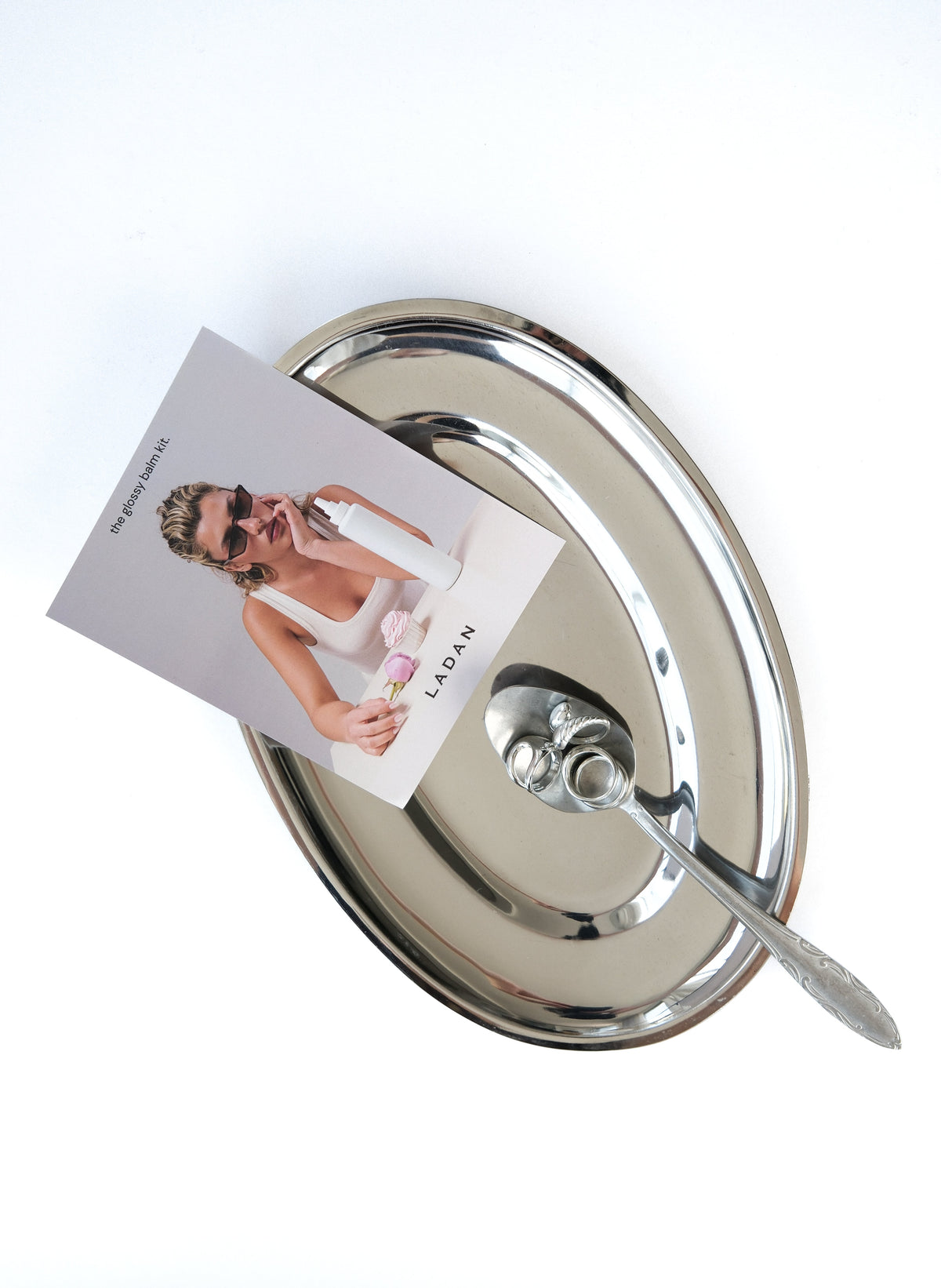
Who Defines Our Beauty Standards? Social Media and the Changing Face of Beauty
Our social media feeds are filled with similar faces, smooth complexions, and seemingly flawless images. Over time, it can become difficult to tell the difference between what we genuinely find beautiful and what we have been taught to admire.
Beauty trends are constantly evolving, and so are our expectations of ourselves. Smoother skin, more defined features, a more natural look. Every era seems to have its own definition of beauty.
But who really decides what those standards should be?
How Does Social Media Affect Our Perception of Beauty?
Social media is a great place to discover new beauty trends and find inspiration in different styles. However, edited photos, professionally lit videos, and carefully curated images can also create unrealistic expectations.
When we start using other people's appearances as our own point of reference, we may begin questioning features we never thought twice about before. We compare our skin to someone else's complexion or feel pressured to recreate a look simply because it has become popular. Without realizing it, our perception of beauty begins to change.
The point is not to stop finding inspiration on social media. It is to remember that not everything we see needs to become something we aspire to.
Does Perfect Skin Really Exist?
Poreless skin, an entirely even complexion, and a face that looks the same under every lighting condition. These are familiar images in beauty content, and they can influence our expectations of what real skin should look like.
But pores, fine lines, freckles, and variations in skin tone are all part of natural skin. Our complexion can change throughout the day, across seasons, and under different conditions. It does not have to look the same all the time.
Skincare is not about constantly correcting these changes. Cleansing, moisturizing, and protecting our skin from the sun are ways to support its needs. The important thing is not to turn our skincare routine into a never-ending search for new flaws to fix.
Healthy skin does not have to mean flawless skin. The purpose of skincare is not to turn our real complexion into a filter, but to understand what it needs and care for it accordingly. ☁️
Why Do Beauty Standards Keep Changing?
At one point, defined features and bold makeup take center stage. At another, minimal makeup and a natural complexion become the look everyone wants to recreate. As trends evolve, so does our idea of what is considered beautiful.
Social media accelerates this cycle. A new product, ingredient, or skincare method can become popular almost overnight. Before long, something everyone is talking about can start to feel like something we all need.
But popularity and necessity are not the same thing. Every skin type is different, just as every person's relationship with beauty is unique. We can try a trend if it interests us and leave it behind if it does not feel right.
Perhaps one simple question is worth asking whenever a new beauty trend catches our attention: Am I doing this because I genuinely want to, or because I feel I should?
Taking Care of Ourselves Does Not Mean Changing Ourselves
Our daily skincare routine can be a small, enjoyable part of our day. Applying a moisturizer we love, protecting our skin from the sun, or choosing a lip color that feels like us can all be ways of enjoying beauty on our own terms.
But self-care can sometimes become another expectation to look better. Keeping up with every trend, buying more products, and examining every detail of our appearance can become exhausting.
This is where minimalist skincare comes in. Instead of using more products, we can focus on understanding our skin's needs and choosing the steps that genuinely work for us.
At Ladan Wellness, this is how we approach beauty. Simplicity is Attractive. For us, simplicity is reflected not only in our products, but also in the way we think about beauty. Taking care of our skin does not mean constantly searching for something to change.
Can We Create Our Own Definition of Beauty?
We do not have to give up social media entirely. Instead, we can be more intentional about the accounts we follow and the content we consume. We can make more room for content that inspires us and reflects different skin types and real-life experiences.
We can also make our own preferences part of the conversation. We do not have to try every popular product, follow every new trend, or achieve a particular look simply because it is everywhere.
Our understanding of beauty can change over time. We can discover new things, experiment with different looks, and rethink our preferences. What matters is making those choices for ourselves rather than trying to keep up with someone else's expectations.
Perhaps rethinking our perception of beauty begins with questioning the standards presented to us. After all, beauty does not have to look the same on everyone.
Simplicity is Attractive. Sometimes, the best way to care for ourselves is to move beyond someone else's definition of beauty and listen to our own needs and preferences. 🤍
Read more
Why Do We Need Places Where We Can Be Ourselves?
Have you ever found yourself acting a little differently in certain environments? Have you ever held back what you wanted to say, carefully weighed your thoughts before sharing them, or felt as tho...
Read more
Why Is Cleansing the Most Important Step in Your Skincare Routine? 🫧
The secret to healthy-looking, radiant skin isn’t always about using more products. Sometimes, it starts with getting the basics right. Serums, moisturizers, and other skincare essentials may all h...
Read more